


marashly church
[episode 02]
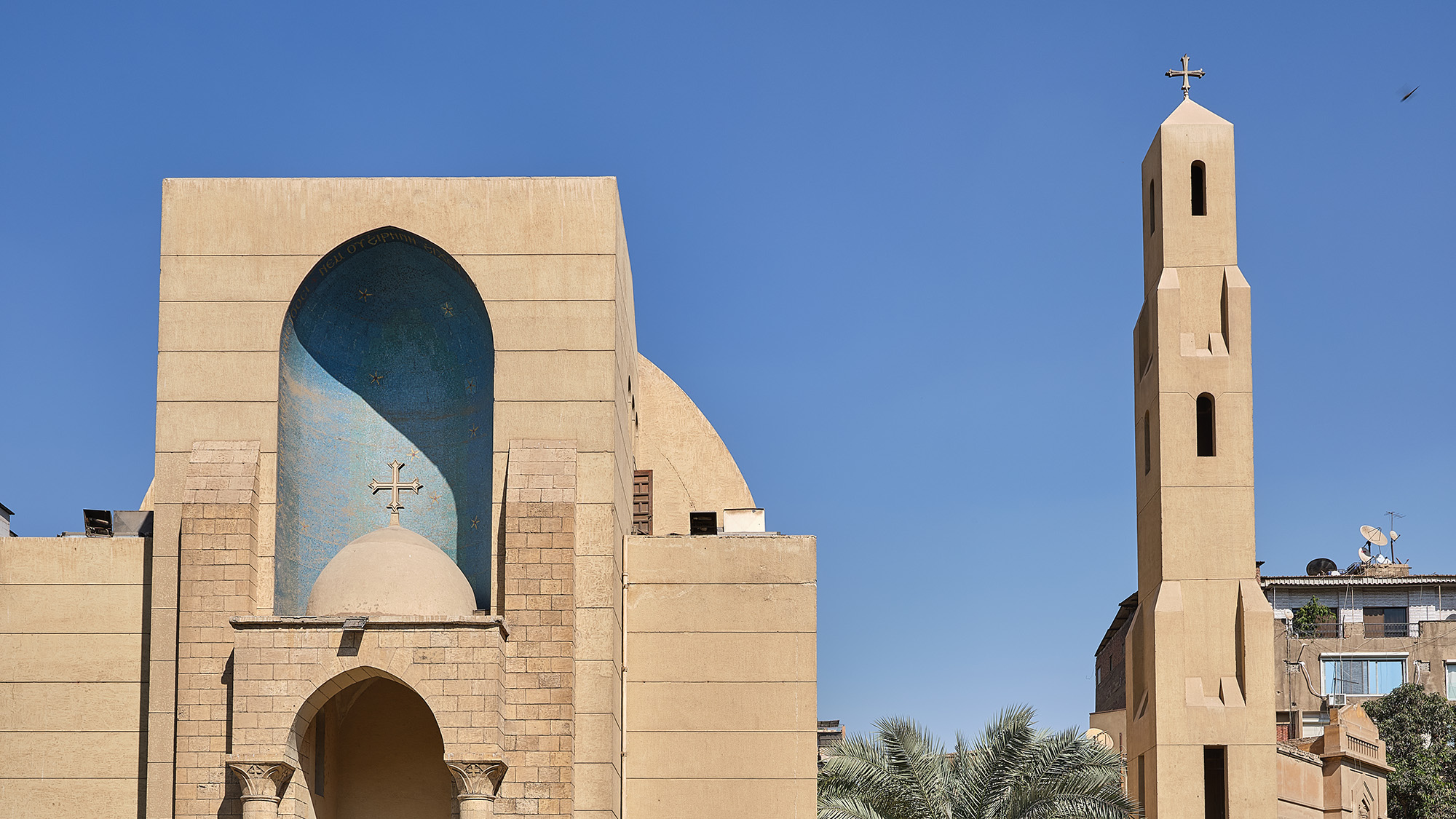
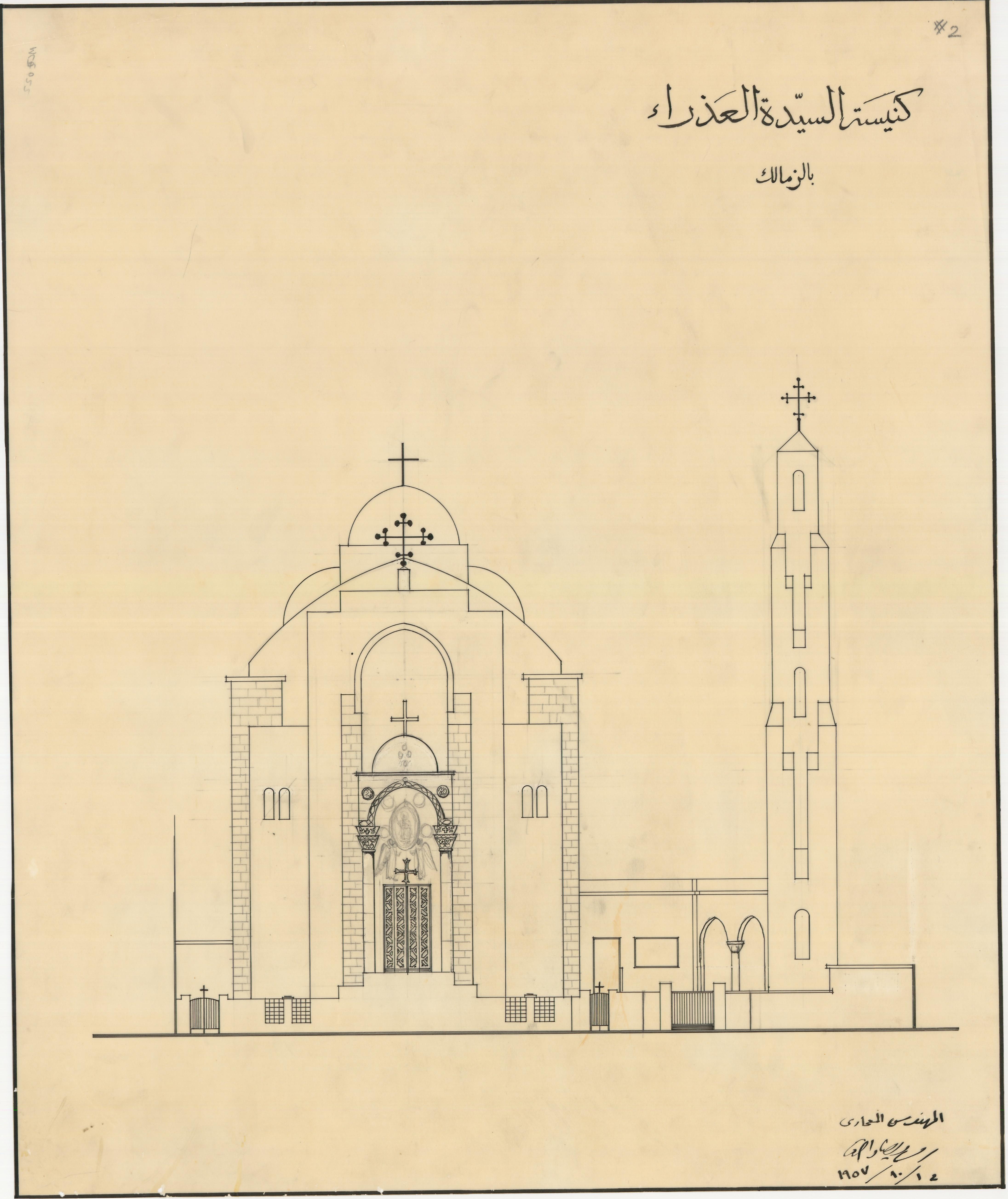
Until the 1950s, the affluent district of Zamalek in Cairo had no Coptic Orthodox church. In 1952, the Coptic community purchased a plot of land and launched an architectural competition to commission a designer to create a new church. The winning proposal was submitted by Ramses Wissa Wassef, an influential figure in twentieth-century Egyptian architecture. His concept for the Church of the Virgin Mary was distinguished through its combination of Coptic vernacular traditions, Greco-Roman elements, and Ancient Egyptian symbolism, resulting in an unprecedented architectural expression.
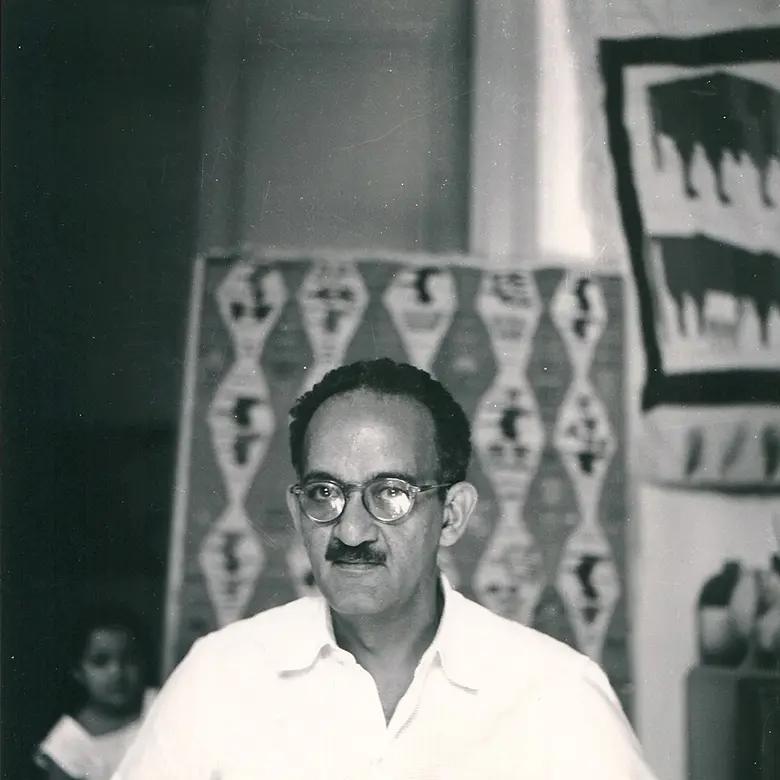
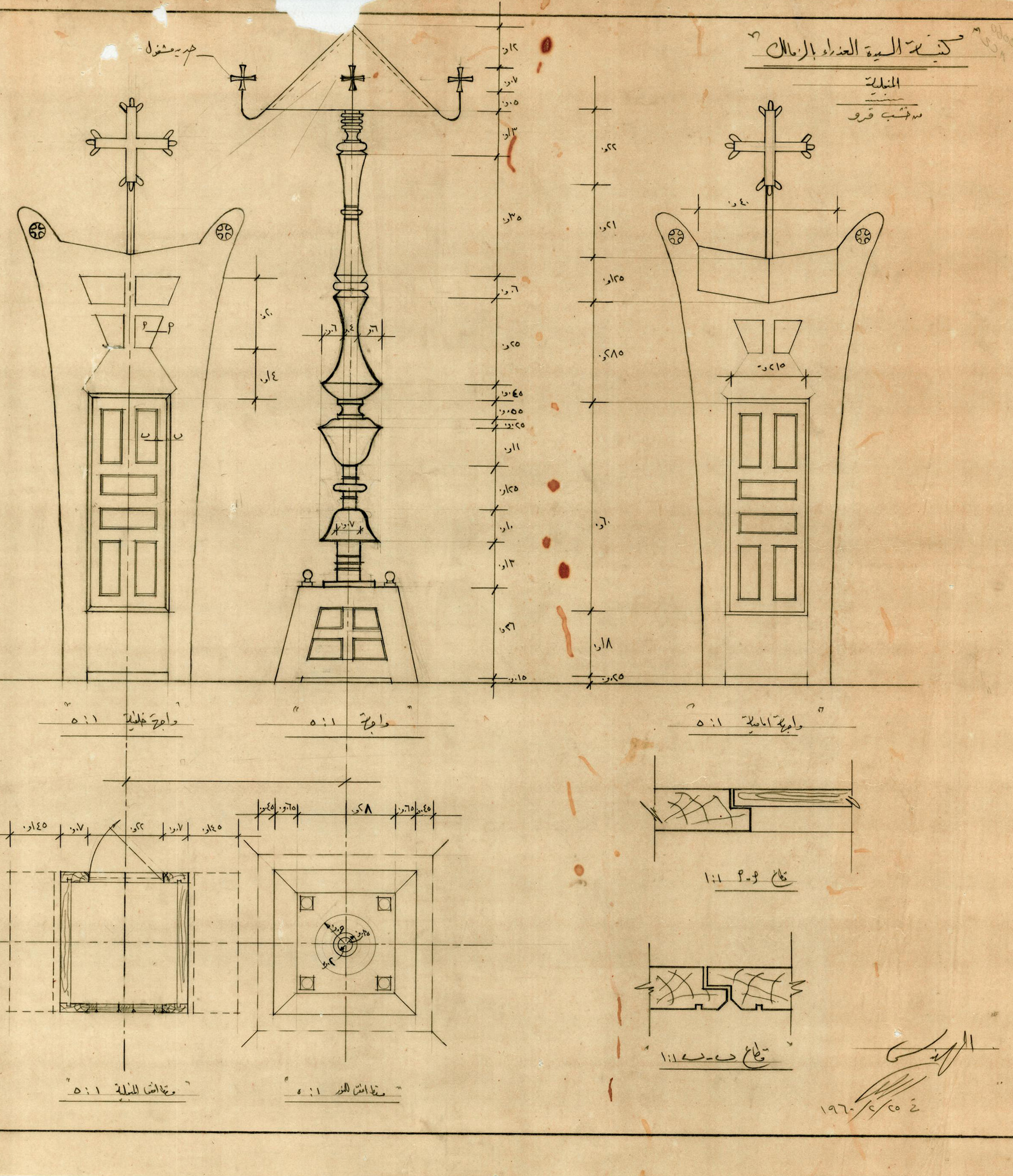
Wassef was raised in a household that valued intellectual engagement, discussion, and critique across multiple domains, from the politics to the aesthetics. This environment shaped him into a well versed, and rounded artisan and architect he came to be known for. For him, the histories of art and architecture were not only academic pursuits but knowledges that were brought forth in daily expressions and interactions with others. Beyond this intellectual rigour, those who knew him emphasize his intuition and empathy. With an ability to perceive people’s strengths and reflect them back, Wassef was known for offering a mirror through which one could gradually see oneself more clearly.
Through his commitment to heritage and appreciation of local history, his buildings have been revered as grounded, layered, and unmistakably Egyptian, as seen in the Church of the Virgin Mary. Historically, Coptic churches were humble structures, yet Zamalek’s affluent residents requested a more ambitious structure with provision for community activities such as Sunday school and wedding ceremonies. The outcome is a spiritual space that is simultaneously understated and monumental. After the 1952 Revolution, and with a shift in political and social circumstances, churches could be more openly visible at street level, subsequently reinforcing the Church of the Virgin Mary’s public identity.

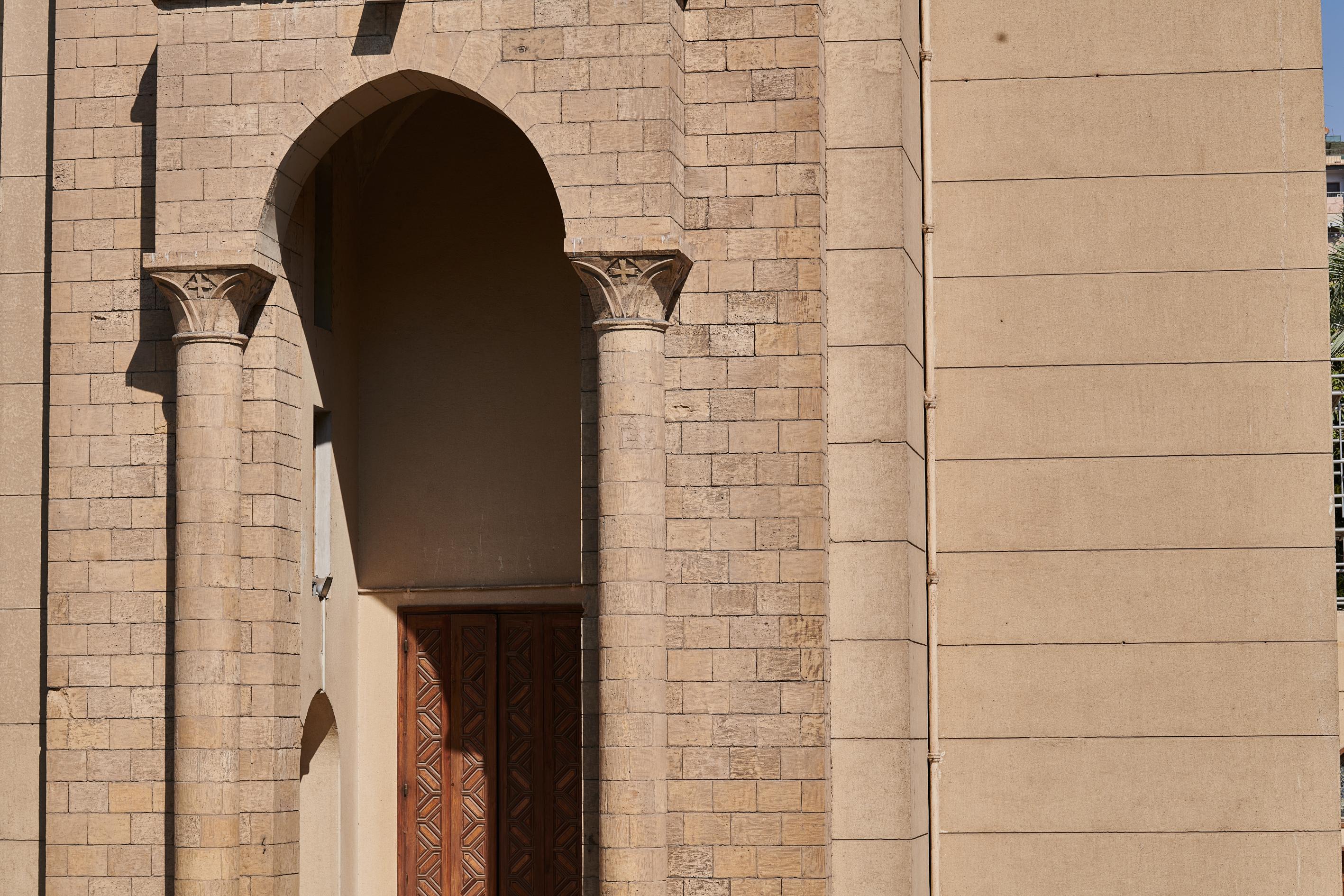
Architecturally, the church marks a departure from conventional Coptic models. It embodies mid-century sensibility, integrating Coptic vernacular cues with Ancient Egyptian and Greco-Roman references. Though Wassef disliked labels and resisted being placed within rigid stylistic frames, he had a profound affinity for symbolism. The Church of the Virgin Mary is one of the clearest manifestations of this passion.
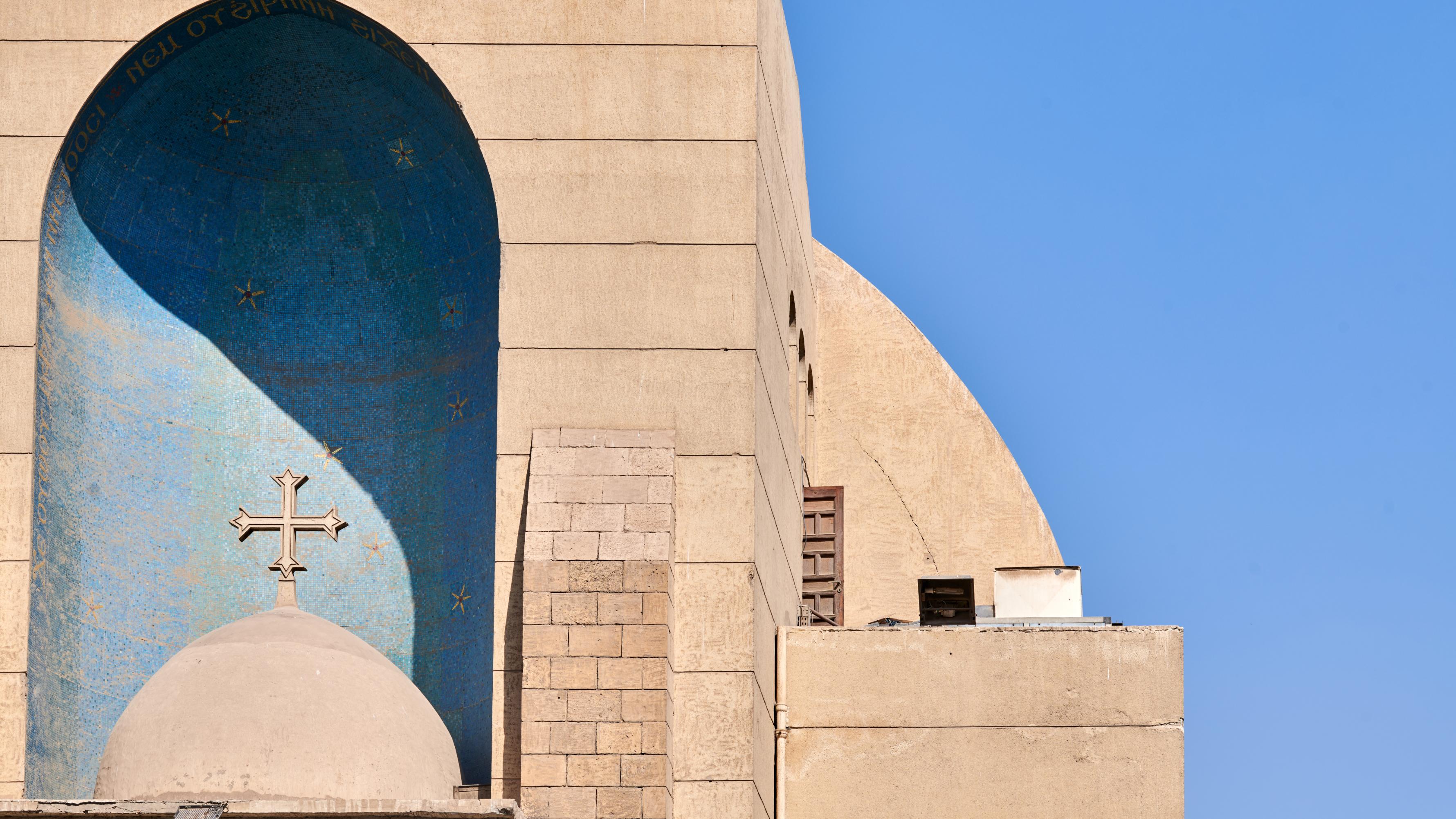
Perhaps the most striking symbolic gesture appears externally above the entrance. Here lies a dome framed by a blue niche filled with stars. These stars resemble the seba, a five-pointed Ancient Egyptian symbol. Their arrangement is a nod to representations of the goddess Nut, the goddess of the sky, which in turn aligns with the Coptic belief that the Virgin Mary is often understood as the “second sky.” As such the piece is an intricate symbolism of the Virgin Mary, as represented through the stars, carrying Christ within her womb, symbolized through the niche. The architectural composition, therefore, bridges Egyptian antiquity with contemporary spiritual meaning, paying homage to the church’s patron.
Another recurring symbol in the church is the number three, associated with the Holy Trinity, or the Father, Son, and Holy Spirit. Its most visible manifestation is the facade and its three monumental doors. The central entrance requires visitors to pass through an Arch of Triumph, a Roman tradition later absorbed into Christian ritual that came to symbolize Christ’s victory over death and the passage into sacred space.
This symbolism is further reified by the lotus-shaped columns flanking the central door, a direct reference to rebirth and renewal in Ancient Egyptian iconography. Ancient Egyptian influences was also adopted in the bell tower, which mirror the obelisk. Historically, obelisks symbolized victory and royal jubilees and their placement at temple entrances marked the access into holy spaces. Wassef applied this concept in the church’s context, guiding worshippers towards the spiritual place.
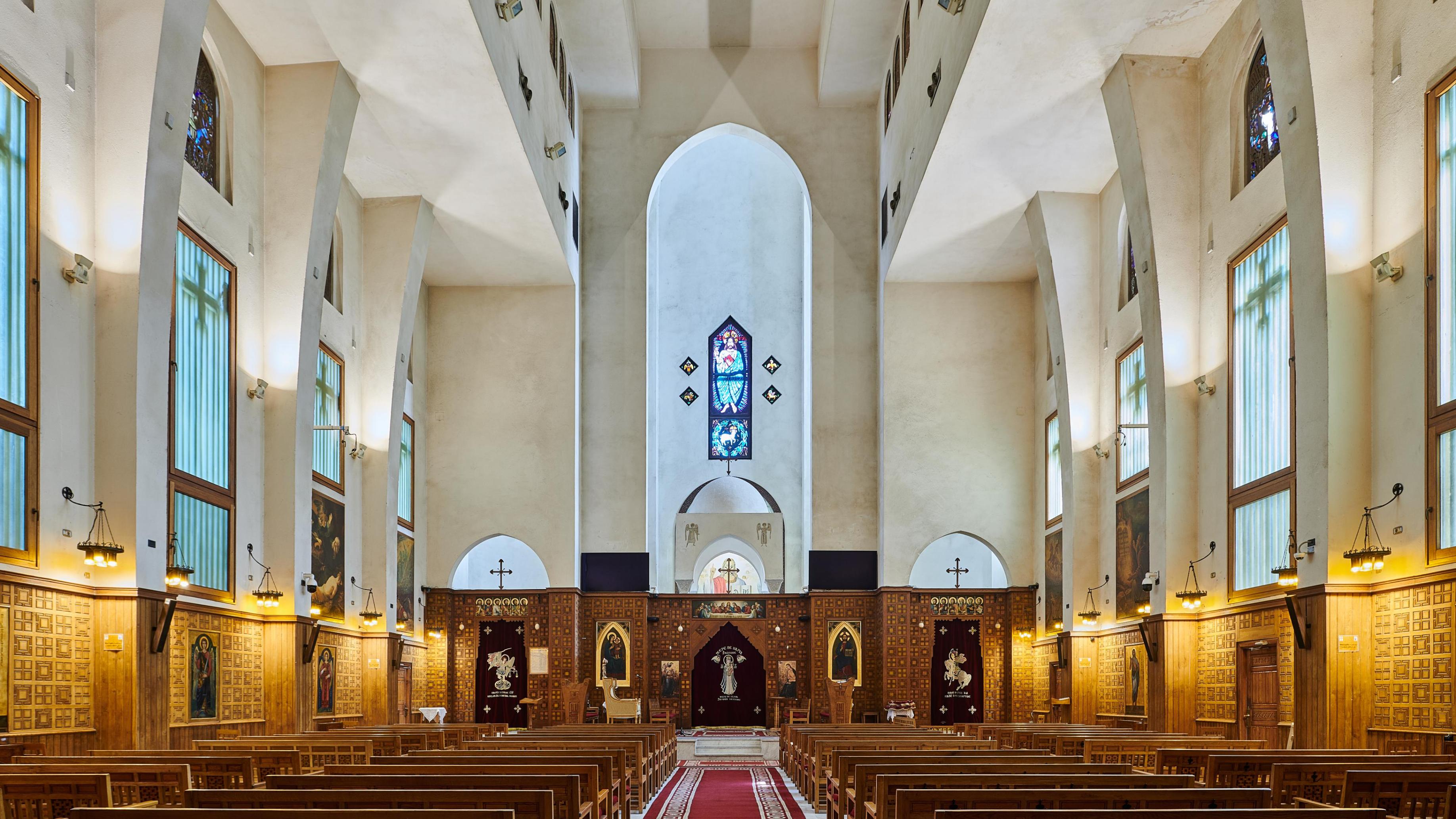
Working alongside structural engineer William Selim Hanna, Wassef reinterpreted the Byzantine floor plan. Rather than separating the nave and aisles with columns, the design uses wide structural spans that open up the interior and allow unobstructed views of the altar. Yet, the traditional vertical hierarchy remains intact in the ceiling for the church, where the side aisles are lower and the nave is higher, producing a telescopic sequence that directs attention toward God. These design choices establish the altar as the visual and spatial axis of the entire church.
At the altar, the symbolism of three once again is used in planning the functionality of the church around Mass, which interestingly has had few changes in its liturgy over its history. As such, The Church of the Virgin Mary contains three altars: the principal altar dedicated to the Virgin Mary, and two secondary altars that accommodate simultaneous services. Since in Coptic practice, an altar must be consecrated and cannot be used for multiple Masses without a ritual period of rest, these additional altars ensure that worship can continue uninterrupted for the community. The design also provides sufficient space for the three ritual processions that occur during mass, offering yet another reference to the Trinity.
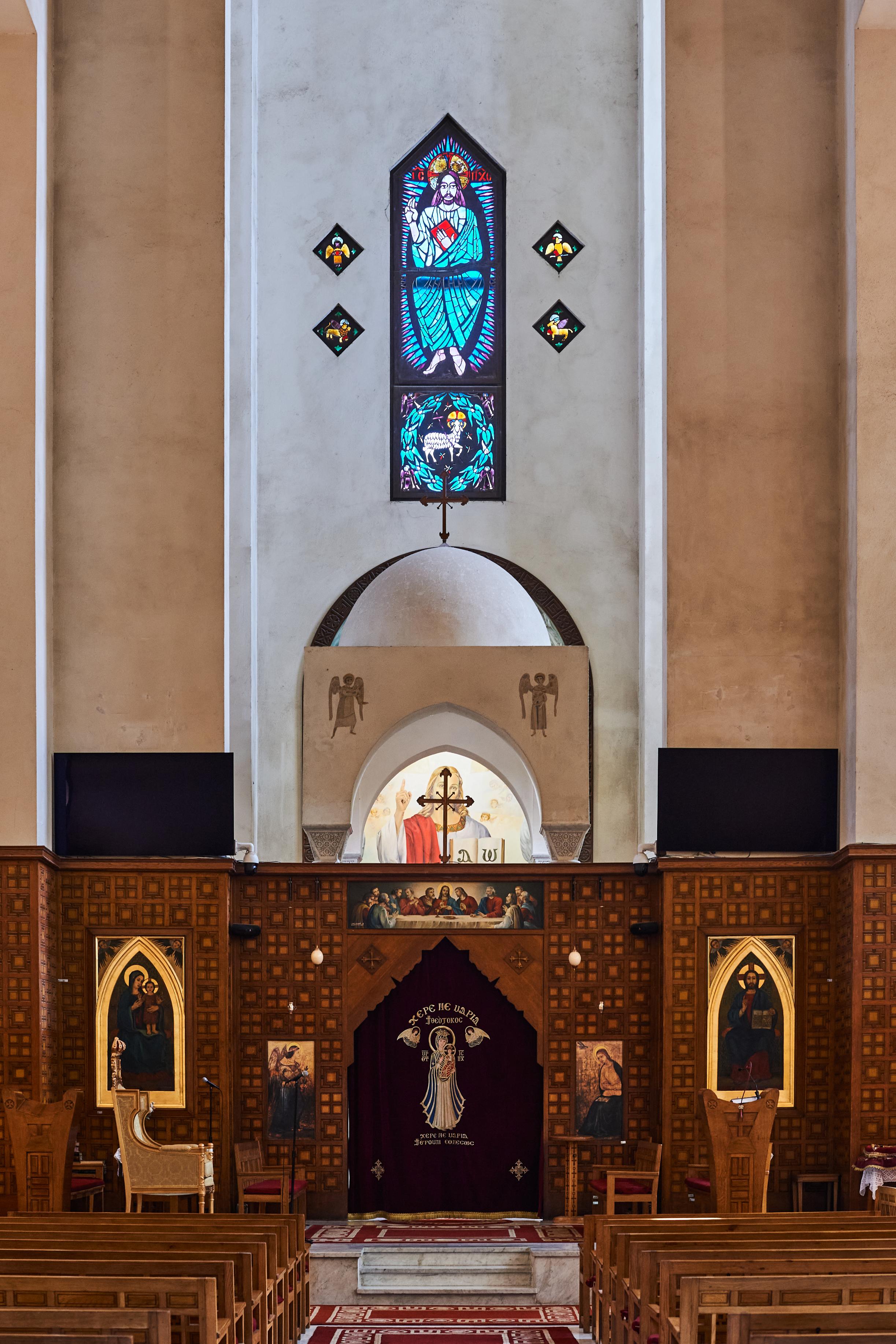
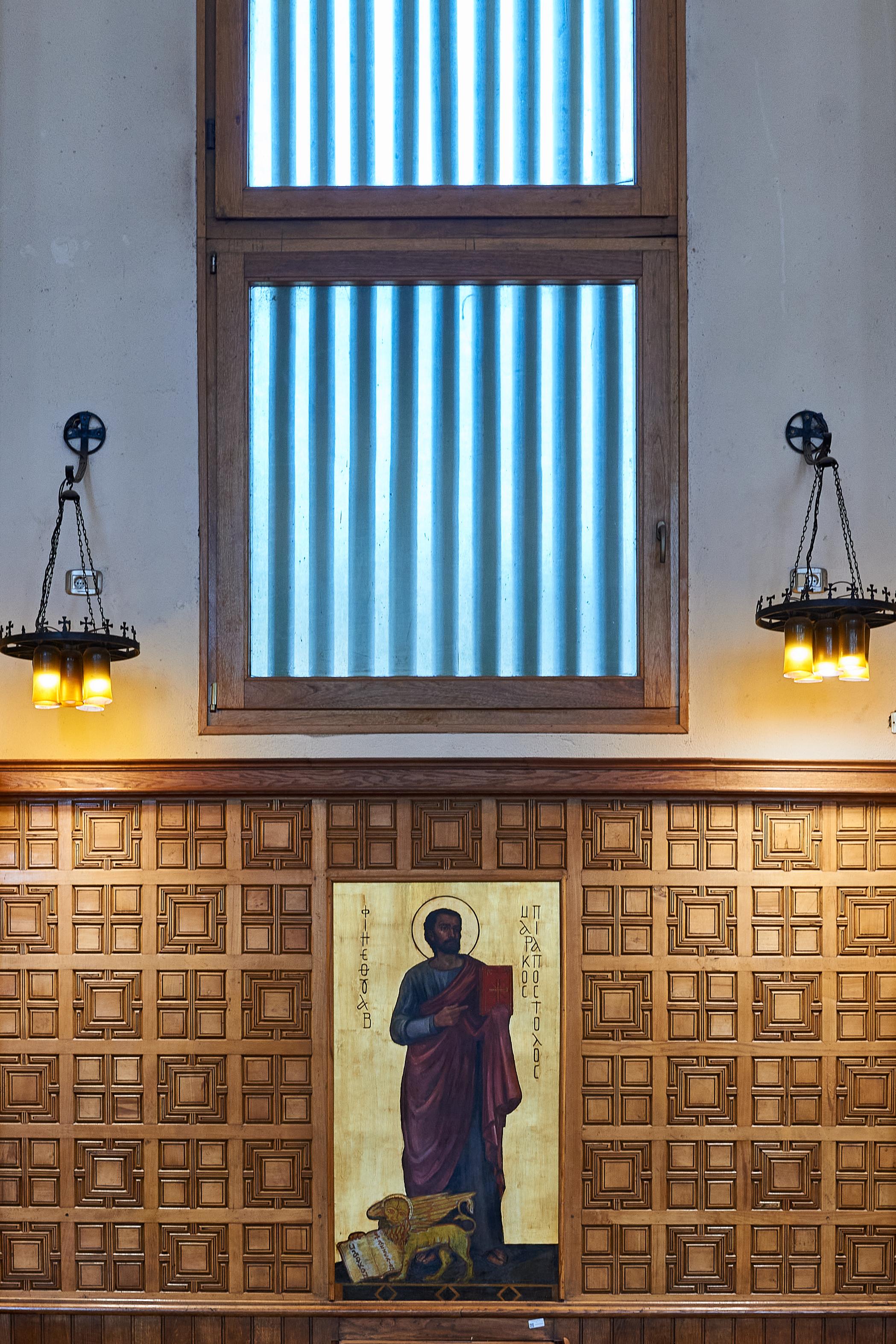
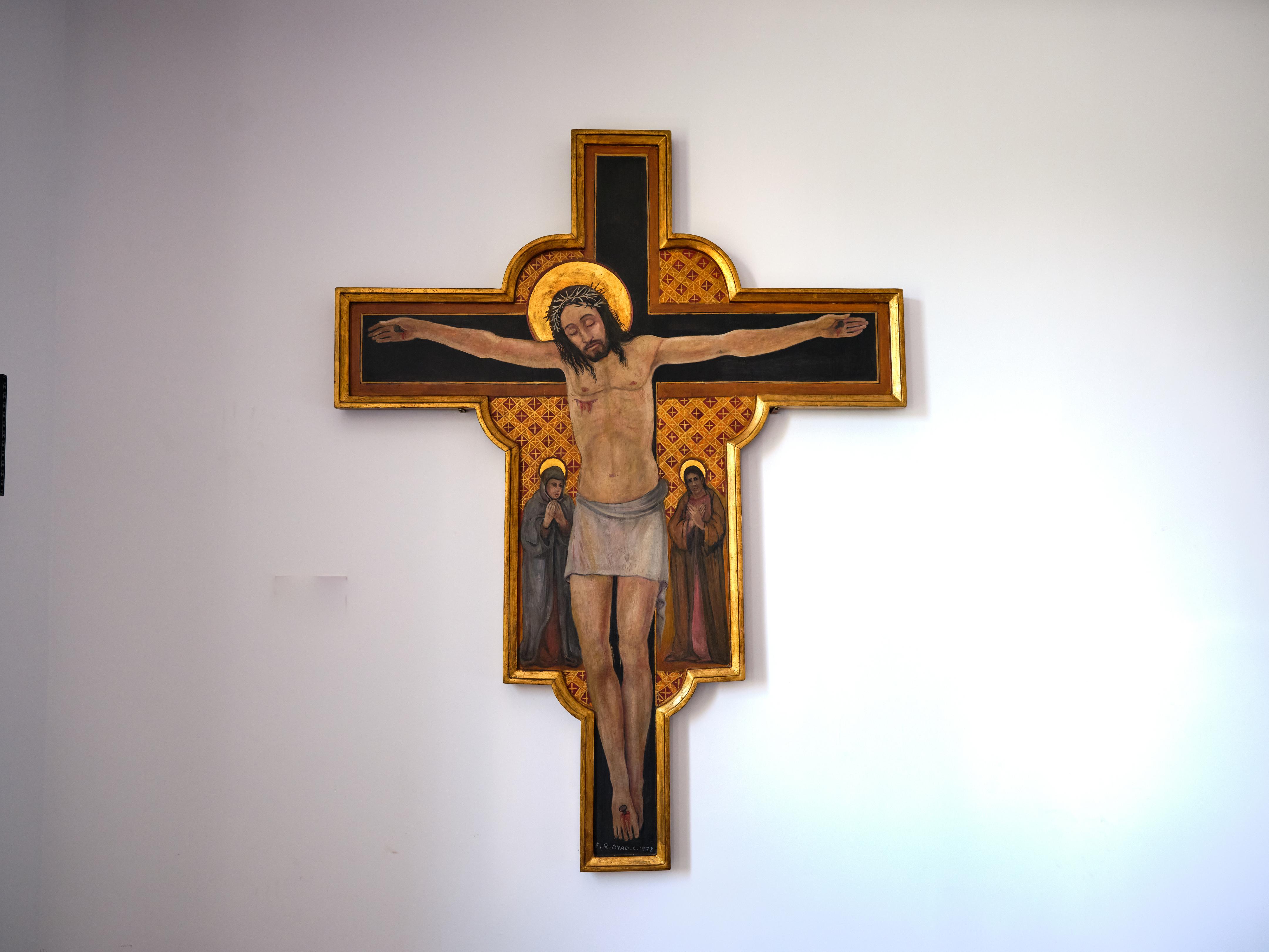
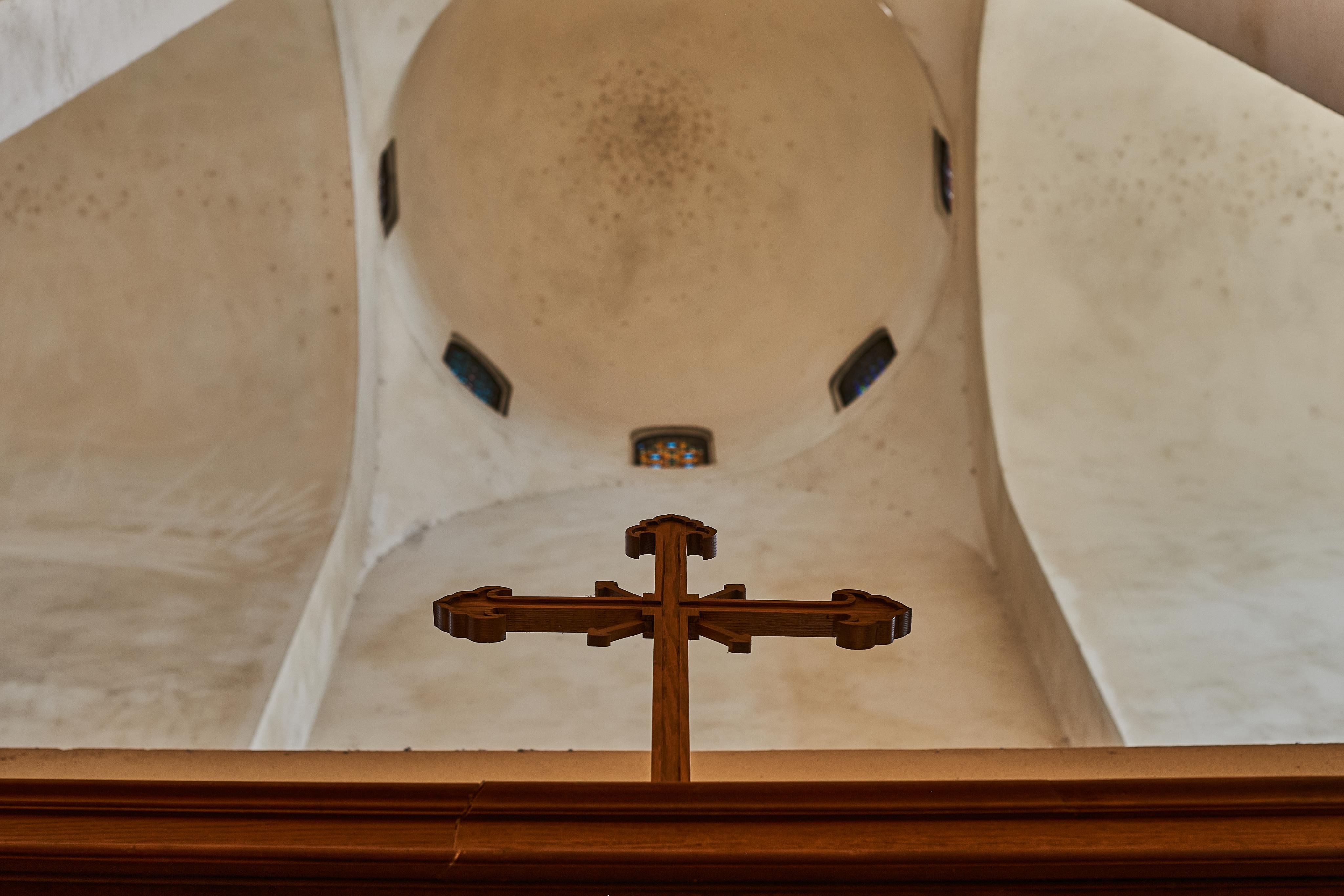
Historically, the Coptic Orthodox Church has not been associated with opulence. Unlike Russian Orthodox traditions with gold-plated domes, Coptic churches emerged from centuries of persecution and poverty. Therefore, their architectural culture developed around humility and functionality using simple vernacular materials. Wassef translated these beliefs in his use of color and material. The church’s walls are finished with a traditional plaster mixture of crushed limestone, white cement, and sand. The result is a subtle off-white substance that insulates sound and temperature while forming a calming backdrop. Against this neutral surrounding, the colors of the church’s artwork emerge more vividly, and once again draw focus towards the altar.
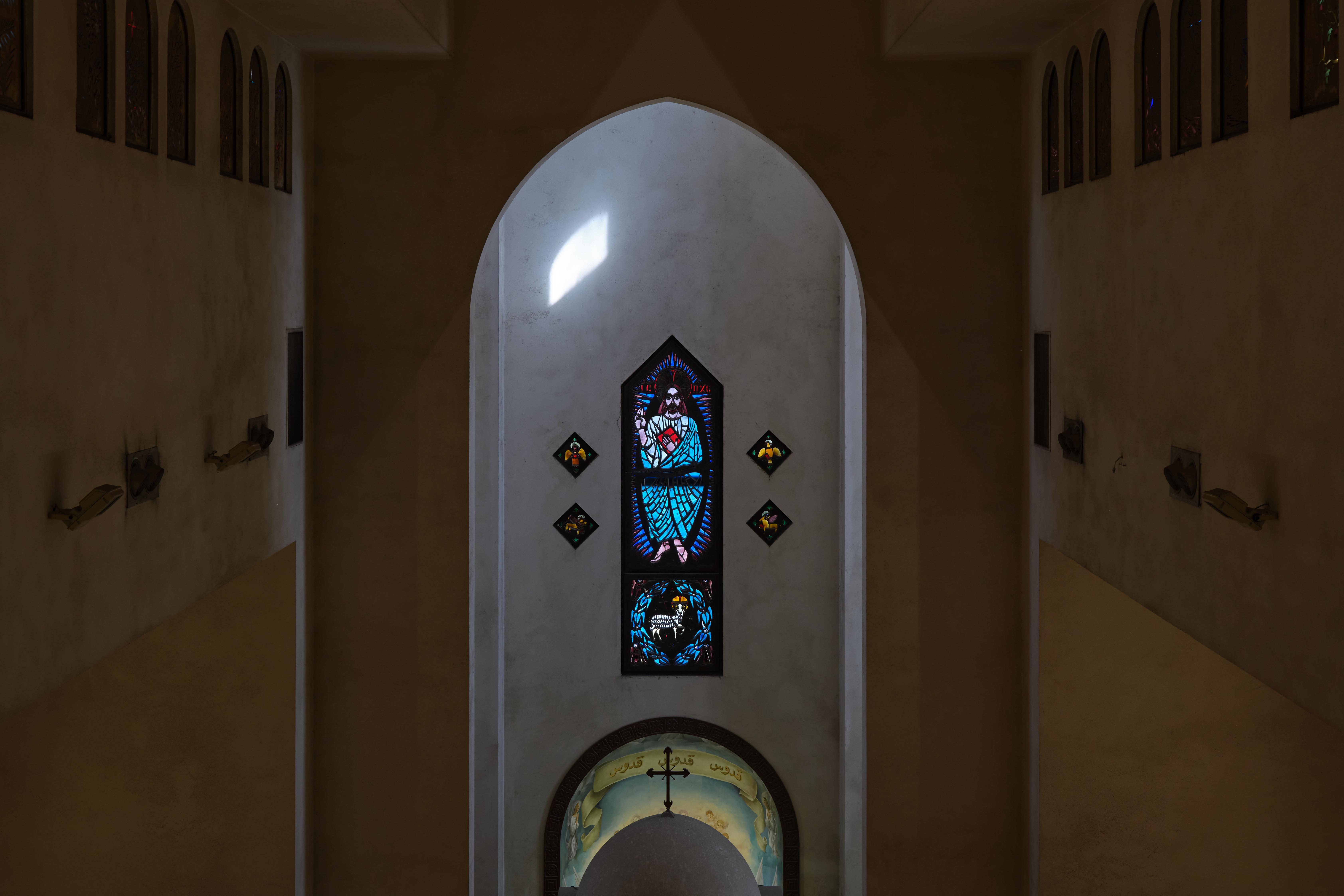
Light itself becomes a theological and functional device as most of the church is illuminated with diffused natural light. The altar receives the strongest clarity of illumination through clear glass, guiding worshippers visually and emotionally towards the church’s spiritual axis.


