

Ramses Nosshi
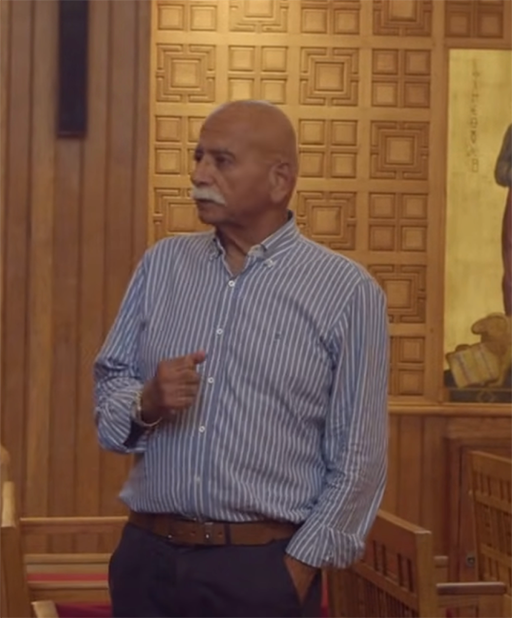
Ramses Nosshi is the co-founder and principal of MADA Architects, a Cairo-based design–build studio established in 2007. The practice focuses on innovatively using local and natural materials to create contemporary, environmentally conscious, and contextually responsive architecture across a range of scales, from furniture and interiors to full architectural and planning projects. Born in Cairo, Ramses studied architecture at Texas Tech University before completing graduate studies at the University of Arizona, where he earned a Master’s degree in passive solar architecture. After returning to Egypt, he worked on numerous freelance design and build projects, incorporating local vernacular forms such as domes and vaults, and engaged in restoration and conservation work. His contributions include projects at the Gayer Anderson Museum in Cairo and the Habib Gorgy Museum at the Wissa Wassef Art Center. Today, Ramses continues to explore architecture that balances innovation with cultural and environmental awareness, championing design that is functional, simple, and deeply rooted in place. Ramses is also the grandson of Ramses Wissa Wassef, the renowned architect behind The Church of the Virgin Mary and whose principles of preserving traditional craft and cultivating intuitive creativity live on in the Wissa Wassef Art Centre.


Ikram Nosshi
Ikram Nosshi is an Egyptian architect and cultural steward who serves as the director of the Ramses Wissa Wassef Art Center, one of Egypt’s most internationally respected institutions dedicated to traditional arts and crafts. Founded in 1951 by the prolific Egyptian architect and artist Ramses Wissa Wassef, the Center is guided by the belief that creativity is innate in every human being. Its mission has been to nurture this inherent creativity through the practice of traditional Egyptian crafts, most notably wool tapestry, cotton weaving, and batik, within a supportive and cultivating environment. In his own architectural practice, Nosshi has adopted vernacular architecture for its exceptional qualities in hot climates and makes deliberate efforts to train local builders in the diverse techniques of vault and dome construction. Many of these methods were drawn directly from the architectural language and traditions of Ramses Wissa Wassef, further extending the founder’s legacy through practice and pedagogy. For decades, Nosshi assumed a central role in preserving and advancing the founder’s vision. Under his direction, the Ramses Wissa Wassef Art Center has remained a living community that supports generations of artisans and their families, all while sustaining local craft traditions. The complex has expanded to include workshops, showrooms, a pottery and sculpture museum, and agricultural buildings. The Center’s work has received wide international recognition, including the Aga Khan Award for Architecture, affirming its enduring cultural, artistic, and architectural significance on a global scale.
 ]
] 
